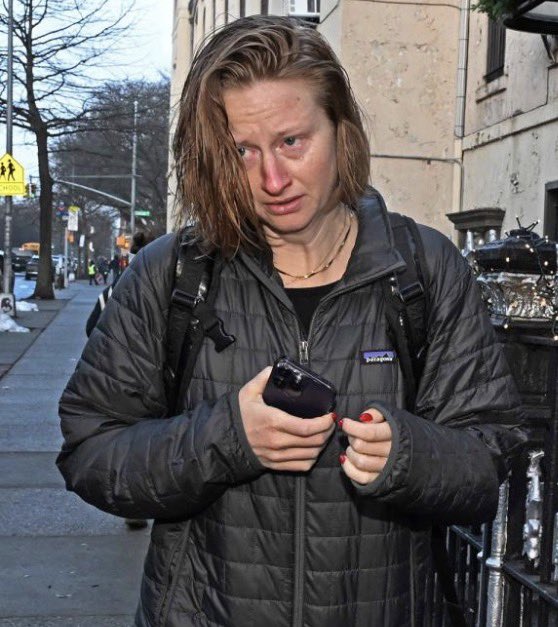
Photo of the Day, 3/22

If you want to know where you’re going, you need to know how you got there. The Democratic Party is in a seeming civil war right now. This week it was Illinois, last week it was Texas. On one side, the Biden/Clinton coalition of voters from 2016/2020 and on the other, the Bernie Sanders/Elizabeth Warren wing. The actual policy differences in the two are only marginal, really. Both favor expanding health care access, fighting climate change, funding things like public education, and access to reproductive health care. The disagreement is largely based on details and how far to go, from a policy standpoint. Philosophically they are different though. The Bernie/Warren wing of the party wants to build a Democratic Party that resembles a European Green/Social Democratic Party, or British Labour under Corbyn. The Clinton/Biden voter wants a more center-left party. How did we get here and how do you square the two?
To understand the modern Democratic Party I think you need to go backwards and start at there different dates- 1966, 1992, and 2006. They are actually not similar elections at all. Two are midterms, one a Presidential. Democrats won in 2006, while 1966 and 1992 are a mixed bag in many ways. So why these years? I’ll start with 1966, because to me it’s the beginning of all modern politics (not that nothing mattered before that, but nothing should really be viewed as modern). 1966 was the first election after the passage of LBJ’s Civil Rights agenda in Congress. It was the beginning of Democrats decline among white voters that truly culminates in the Reagan years, then relatively stabilizes with Clinton. Democrats started to see some losses in 1966. Many folks like to attribute Johnson’s fall in popularity with Vietnam, but any honest analysis tells you it was mostly otherwise. In 1968 the nation would move to electing Nixon on such themes as “the silent majority,” “law and order,” and eventually “peace with honor.” White voters began their move in 1966, but accelerated it in 1968 and especially 1972. Watergate did interrupt Republican dominance in 1974 and 1976, but by 1980, 1984, and 1988 Republicans were carrying Catholics, running 60% neighborhood numbers with White voters, and carrying the Midwest. They also began eroding the “Solid South” Democrats had enjoyed since the Civil War, which ultimately culminated in the 1994 takeover of Congress, but really took hold under Reagan. In fact, 1966 was the “canary in the coal mine” that foreshadowed Republicans winning five of the next six Presidential elections. Obviously that takes me to 1992 and Clinton. Clinton was the first Democrat to truly reap the benefits of the growing support the party had from Black voters. He also made gains with “soccer moms” and other “normie” voters who were alarmed by the “Christian Coalition” and other culture warrior conservatives. Bill Clinton pulled in white moderate voters and majorities with most non-white groups. Clinton largely abandoned the ideological left of the 1960’s politically. Clinton’s White House was less progressive dogma than his Democratic predecessors, even if that is a bit embellished by some (see his 1993 budget). Sure, Clinton invested heavily in education, the environment, and “built a cabinet that looks like America,” but he also did welfare reform, balanced the budget, was a free trader, and had “Sista Soulja.” Clinton aimed for broad appeal that made him less popular with left-wing academics, ex-hippies, and ideological leftists. He was really popular too, sitting in the 60’s through the end of his term amidst an economic boom. Clinton was personally problematic though. He had the Lewinsky affair. His Vice-President ran for President and lost a very, very controversial election. And probably most importantly of all, his wife became the first ever First Lady to run for office herself after the White House, winning a U.S. Senate seat in New York, which was of course not Bill’s home state. Of course we know the early 2000’s after Clinton were a tumultuous time as well, with 9/11 and the Iraq War dominating much of the discourse through the 2004 Election. And that pretty much takes us up to modern times.
The third year I put in there was 2006, and 2006 is truly the beginning of what the Democratic Party is now. George W. Bush was deeply unpopular by 2006. Iraq, Katrina, a failed Supreme Court nomination, and an attempt to privatize Social Security had worn him down. The Democratic Party was almost identity-less at that point though. The party’s last two Presidents, Carter (defeated) and Clinton (problematic personally) were memories by then. The last two House Speakers who had been run out of office in defeat (Jim Wright of Texas had been forced to resign and Tom Foley of Washington was defeated in his re-election). Tom Daschle’s brief period as Majority Leader in the Senate was a bad memory (Iraq, the Patriot Act, his own defeat in 2004). The Supreme Court had been narrowly conservative since the Reagan-Bush period. The party had no recognizable national leader really. And yet, the party won, and won a lot. Democrats took both houses of Congress in a wave election. Nancy Pelosi became the first woman to lead Congress as Speaker. Moderate mormon Harry Reid, a marginally pro-life Nevada Senator took over the Senate. Democrats took the House winning in places like Suburban Pittsburgh, took the Senate by flipping states like Missouri, Montana, and Virginia, and won Governorships in places like Ohio. This wave in non-traditionally blue areas set the stage for 2008 and the birth of today’s Democratic divisions, in part because the Democrats basically won Congress without a real ideological direction. They ran talking about the minimum wage, the war, health care, and ending corruption. It wasn’t exactly a far left manifesto.
A lot of people have revised the history of the 2008 primaries to fit their narratives that emerged after 2016. First off, the race was essentially a one-on-one race from New Hampshire on. Barack Obama’s coalition was built largely on Black voters, young voters, and progressive white voters. Hillary Clinton dominated among rural voters, older voters, and Hispanic voters. These coalitions dramatically changed by 2016, and even again by 2020. While Clinton won women on the whole pretty solidly, she lost young women in her 2008 run, and Black women. Obviously that was different in 2016. Obama’s coalition didn’t really crack based on age at all. Hillary continuously won in primaries, Obama won caucuses. Opposition to the Iraq War was a huge selling point for Barack Obama, particularly with lefties and young people. Obama’s coalition more closely actually resembled Bernie Sanders campaigns, and yet he was able to win. That was largely a product of Black voters sticking by him loyally. That’s about the only theme from that primary that holds up moving forward though. The rest of his primary coalition essentially forms the backbone of today’s populist left.
I think it’s fascinating to guess as to why most of the groups in the Obama coalition moved from him in 2008 to a more combative populist by 2016. There’s not really an obvious reason. Barack Obama, even today, polls as the most popular Democratic politician in the country pretty easily, and across most ideological spectrums. Some surmise that he wasn’t tough enough on Wall Street after the 2008 crash, or that he didn’t deliver a “public option” in Obamacare, or that he didn’t get out of Afghanistan and close Guantanamo, or all kinds of other theories of his shortcomings, and yet there’s not an ounce of data in polling that suggests these voters soured on Obama even a bit in his Presidency. Interestingly it does seem that Clinton’s coalition did crack quite a bit on their support of her. The more rural Democratic voters who had supported her in places like West Virginia and South Dakota joined young voters and progressive white voters in backing Bernie Sanders in 2016, while Black voters joined older voters and Hispanic voters in backing Clinton’s 2016 primary campaign. While Obama’s poll numbers stayed strong, something clearly had moved within his original base by 2016. Not only did a lot of his coalition move to Bernie, a fatally sizable portion of progressive whites, young voters, and even Clinton’s 2008 rural base either moved to Donald Trump or didn’t vote for her. While she got virtually the same amount of votes as Obama got in 2012, and won the popular vote, Clinton lost the election. Florida, Ohio, and Iowa moved comfortably right into Trump’s coalition. Pennsylvania, Michigan, and Wisconsin moved towards Trump by the skin of his teeth. Clinton narrowly hung onto Maine, New Hampshire, and Minnesota. Obama had won all nine of these states both times, and rather convincingly for the most part.
The thing I find interesting about 2016 is that it really wasn’t supposed to happen. The progressive champion of the moment in 2015 was Elizabeth Warren, and she simply missed her moment in time to try and run for President. Joe Biden was probably the most bullet proof candidate the Democrats would have had at that time, and most of official Washington dismissed him as a candidate. There were some dead-ender “normies” that thought Martin O’Malley was a real alternative to Hillary, but basically the Beltway was ready to hand her the nomination. Bernie Sanders had some real people in Iowa and New Hampshire, but his national campaign apparatus didn’t read like a powerhouse. Republican operatives thought they were going to get a battle between Jeb Bush, Marco Rubio, and Chris Christie, almost all of them thought Trump was a joke. Bernie and Trump were literally no one’s idea in DC. Then our politics turned on it’s head.
Of course 2018 did happen, but it now looks more like an anomaly than a sea change in our politics. Democrats made a real pivot towards nominating women for Congress in the aftermath of Hillary’s defeat and managed to take the House this way. Of course, Democrats had cultivated no new leaders in the time from 2006 until 2018 though, and Pelosi was back in the Speaker’s office. Pelosi is probably the closest thing to middle ground between the left and center in the Democratic national leadership, but even that isn’t neutral. 2018 brought a new majority in the House of Obama/Clinton Democrats, but also brought about “The Squad,” and did little to assuage the oncoming 2020 nomination fight.
The early portion of the 2020 primaries was a mirage. Joe Biden eventually was nominated by dominating with a coalition of Black, Hispanic, rural, and older Democratic primary voters that was both more moderate and yet more broad than Clinton’s. In the early going states of Iowa and New Hampshire though, he struggled while splitting his electorate with Pete Buttigieg and Amy Klobuchar. Once he edged them out in Nevada for second though, he consolidated his electorate in South Carolina and ran away with the nomination by the widest margin since Kerry in 2004. Bernie Sanders had some early success before fading, building largely off of a coalition of younger Hispanics, younger voters in general, and progressive white voters. Bernie also faced problems early on with splitting his vote, particularly the progressive female portion of it, with Elizabeth Warren. The other obvious weird part was Covid essentially interrupting the primaries shortly after Super Tuesday and making the primary seem to be over. Even so, Biden had built a substantial lead after Super Tuesday and lead every poll at that point.
Biden went on to win the 2020 election with the broadest coalition in American history, getting 51%, over 81 million votes, and 306 electoral votes. Democrats won the Senate and made Chuck Schumer the Senate Majority Leader along with Pelosi still leading the House. From there, things sort of went down hill. In 2021, Roe v. Wade was overturned, setting off rage within the Democratic ranks. In 2022, despite rising inflation and Biden’s unpopularity, Democrats lost single digit seats in the House, despite losing the popular vote by over 2 million votes and ultimately narrowly losing the House. Frankly, the defeat looked way better than it actually was, and the loss was foreshadowing of what was to come. Biden’s popularity continued to drain over economic concerns and worries about his age. He ended up dropping out in the middle of the 2024 Presidential race, despite what was essentially a margin of error deficit in the polls. He was largely pushed out by major donors, many of whom had been fans of his as Vice-President and even as a Senator. He was replaced by his Vice-President Kamala Harris, who immediately attempted to moderate her image more towards that of what Biden’s had been in 2020. She talked about her time as a Prosecutor, talked about fighting inflation, attacked Trump as an unacceptable, authoritarian figure, and tried to appeal to moderate voters with endorsements from former Republican electeds like Liz Cheney. Harris leaned into the image of a tough prosecutor type, something she had leaned far away from in 2020 when supporters of Bernie Sanders and Elizabeth Warren called her a “cop.” Republicans pushed back, seeking to use her 2020 campaign statements to cast her as a far left liberal and continuation of Biden’s policies, which by then they had cast as more liberal than he ran as. They hammered her on support for transgender people, support for a liberal border policy, and support for Biden’s economic policies. Data says it worked. While Harris bled out less votes from her own base than Hillary had in 2016 (it’s true, the left really did vote for her), she lost a lot of moderate Biden voters. Some flipped. More didn’t show up.
All of this brings us to today. The Democratic Party’s “brain trusts” in DC seem to be moving the party in a very different direction suddenly. They seem to think the way to bring back the “missing” Biden voters is to move which voters they are prioritizing with their messaging. Most of the front-runners for the 2028 Presidential race that are being created by DC consultants and the media are white men, many of them Governors. So in this group, think Shapiro, Newsom, Pritzker, Beshear, Gallego, and Murphy. The other group getting attention are non-white populist progressives such Ro Khanna and AOC, and while he’s not a Presidential contender, Zohran Mamdani is a figure they are pushing. Then there is a whole other element of candidate rising amongst the consultant class- the “white masculine man” that is going to bring back appeal to white men. This is a solution in search of a problem. as Kamala Harris actually did better with white men than Biden, Clinton, or Obama, even winning the college educated white men. Even so, we’re seeing the rise of candidates like Graham Platner, Bob “Crooksy” Brooks, and James Talarico. Even worse, the white guy governors seem to be embracing this crap too. Newsom is going to go on human pile of dogshit Hasan Piker’s podcast to talk. Shapiro is endorsing Brooks. Senators such as Gallego, Murphy, Heinrich, and Whitehouse are embracing Platner. The fix is in. They want to go all in on “manly” white men as their path forward. What problem does it solve? I’m not sure. They’re doing it though.
I think the clear thing to understand is this isn’t the party’s top problem, but the party’s lack of appeal to white people is a problem. If states like Ohio, Iowa, and Florida are out of reach, and states like North Carolina, Georgia, Texas, Arizona, and Nevada aren’t firmly in the win column, the map tilts conservative. The reality is that further erosion could take Pennsylvania, Michigan, and Wisconsin out of the Democratic column for good. Even more succinctly, while half the country is going to live in like 8 states that will be more diverse, the other 42 states are going to be decidedly white. The Democratic Party’s decline with white voters largely has stabilized for a quarter century though, and Kamala Harris did better with white guys than one might have guessed. I’m not sure what in our modern history suggests that we need to nominate Neo Nazis, crooked “every” men, and people who go on conspiracy podcasts in order to win? We got more votes than anyone in history in 2020 by running a moderate guy who had solid appeal to Black voters and didn’t seem like an extremist nut to white and rural voters. We’re risking our strongest bases of support- Black voters, Jewish voters, and educated White women to appeal to who exactly? The descendants of people who moved away from the party between 1966 and 1994? The last few Dixiecrats who ran away in 2010? People who came out of nowhere to vote for Donald Trump in 2016, 2020, or 2024? Do we really think going on Hasan Piker’s ridiculous podcast is going to make us look normal? Didn’t we learn our lesson from thinking normal people listened to Charlamagne? What in the last 60 years of the party makes us think we can get votes from people who don’t vote for us by being more like a New York City Mayor who won’t oppose saying “Globalize the Intifada?” Sure, I do think Democrats overreached with trying to normalize and formalize DEI, #MeToo, and other social movements that the country wasn’t ready for at this time, but are we now going to embrace terrorists and Nazis to chase mythical votes we haven’t received in decades? It should be worth noting that the only group to support eversuccessful Presidential candidate in recent times on the Democratic side are Black voters. Jewish voters are the only other group to support every Democratic Presidential nominee in recent history. Wouldn’t any modest gains made with guys with Nazi tattoos chopping wood in the rural South be offset with the losses we’d take with our base? Seems so to me.
Anyone to study recent American political history understands that the ideological left Democratic Party broke up as the electorate included more and more women, and Civil Rights finally let Black voters vote. Race and gender simply trump ideology in the American electorate. One that wants an ideological party could put in the time to organize and build support for their positions, maybe even try to pass some legislation that moves the ball forward towards their position. Instead, some think the right idea is to wholesale try to turn 60 years of political movement around by embracing lunatics and bigots. It’s a horrible strategy. It’s tone deaf. It’s historically ignorant. It’s a path to losing the 2028 Presidential election. Tread wisely, friends.
If you bat .500 in baseball, you win the batting title. I told you yesterday that Taiba Sultana’s nominating petitions for the 18th State Senate District and Carol Obando-Derstine’s nominating petitions for the 7th Congressional District were potentially being challenged. Only Sultana’s petitions ended up being challenged. It turns out that Carol’s 1,800 plus signatures stood up. Sultana’s may not.
Bernie O’Hare reports that Ray Lahoud filed the challenge to Sultana, stating that she only has 484 valid signatures amongst her 901 signatures. He also says her statement of financial interests is invalid. They will now go to a hearing.
Meanwhile in more/less surprising news, Ana Tiburcio’s petitions were also challenged in the 22nd House District. The suit contends that a majority of her signatures are bad. After watching the debate for the special election, I don’t find myself shocked.
The Sultana and Tiburcio cases will now get a court date. Then we’ll see what happens.
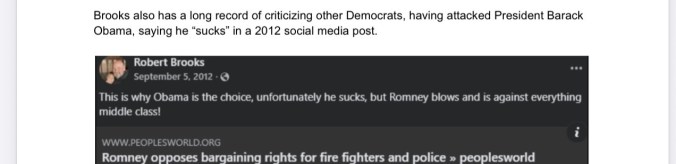
Sure, I told you he’s a deadbeat. Sure, I told you he’s a religious fanatic and gun nut. I told you he’s for political violence. I told you he likes election deniers. I told you he wasn’t a fan of Barack Obama. I told you he expressed racist views about Colin Kaepernick kneeling. I told you he’s a fake “everyman.” I told you about his awful endorsers. Hell, I even told you he’s the next Fetterman. I not only told you all of this, I showed you. I showed you his screenshots. I showed you the Superior Court opinion against him for stiffing his mother-in-law. This stuff isn’t questionable. This is the verifiable stuff. I didn’t go into the other stuff I heard, about his private business, about how he came into the Presidency of his union, about some of his friends he’s pals with from over the years, about investigations into him, or even that one of his superiors has a lot to say about him (and is giving it to the Republicans). I even stayed out of what he promised other candidates who exited the race for him. In general, I think you only fire verified shots. More so, I don’t think every past misdeed actually really should matter. Of course, that’s if you’re not a candidate for Congress. If you’re going to seek the nomination of your party for the U.S. Congress, you need to understand that the other side will find everything and make you look as awful as humanly possible. Look at the way Susan Wild was savagely attacked in the last election for doing her job as a defense attorney for Lehigh Valley Hospital. Look, you may not approve of what a client does in any given case, but the premise of our legal system is even that the worst scumbags deserve a lawyer to help them navigate the ordeal in the best legal way possible.
I’ll tell you what, I hope Crooksy has a good lawyer.
I was too nice to this guy. I mean, I knew he was a deadbeat. According to the lawsuit filed against him in February by his ex-mother-in-law, this guy is nothing more than a parasite that is still taking her for every dime he can. I’m going to let Bernie’s piece on this do the talking here:
Let me give you some background. In 2008, his in-laws transferred a residential property to Brooks and his Wife #1. They even fronted the cost of subdividing the property to the tune of $55,000. Everyman Brooks promised to pay the money back but never did. Eventually, he and Wife #1 signed a promissory note for the money, but he never paid a cent. He was sued, and a $130,000 award was entered against him in 2020. In an effort to string things along, he appealed. He lost in a unanimous Pennsylvania Superior Court ruling. In 2022, judgment was entered against him for $130,000.
That judgment remains open of record.
After screwing over his in-laws, he and his wife eventually parted ways, with a divorce being granted in 2018. Then, in the midst of two mortgage foreclosures and lawsuits by two credit card companies, Brooks quitclaimed his interest in the property to a person who I thought was Wife #1 in 2022. But according to the lawsuit filed against Brooks, he actually quitclaimed his interest to Wife #2 in a Quitclaim Deed that both he and Wife #2 executed.
I’ve told you that Wives #1 and #2 have virtually identical names. Wife #1 is Jennifer Lynne Brooks. Wife #2 is Jennifer Lynn Brooks. There is no “e” in “Lynne” in Wife #2’s name. The lawsuit avers that the Quitclaim was a fraudulent attempt to obscure the real identity of Wife #2 in order to avoid paying a $130,000 judgment. As a bonus for Brooks, this alleged subterfuge would have enabled Wife #2 tro obtain a $330,000 mortgage.
According to the lawsuit, the signature in the Quitclaim is different than the Note signed by Wife #1 and Brooks for the cost of subdividing their property.
The lawsuit, filed on behalf of the mother-in-law, now seeks $160,000 from Brooks and from Wife #2. In addition, punitive damages are sought for “outrageous” and “malicious” subterfuge that “shock the conscience”
He’s no working-class hero. He’s shady. While there might be an innocent explanation to these allegations of forgery, there’s no denying that Brooks has adamantly refused to pay a family loan, not just a bank loan, for the home in which he lives.
I don’t even know what to add to this. The dude married a lady with the same name as his ex, basically, then pretended he was signing away the property he owed money on to his ex-wife? Remember, he was actually given this property in 2004, or 22 years ago, then signed the promissory note in 2008, then still hadn’t paid ten years later when she sued, then lost his appeal about four years ago, and then he did this. His plan is literally to con this woman out of the money that he signed that he would pay back forever.
I’ve had some Democrats say to me that they think he can get past this. I mean maybe, perhaps if Democrats win 40 seats or more and Josh Shapiro wins by 12 points it’s possible that just enough voters will overlook this man’s personal stench. I mean, Ryan Mackenzie has stayed true to his word and completely enabled a President cares not of constitutional rights, human dignity, helping his fellow man, or doing anything to improve life on this planet with his power, only that he protects himself from prosecution, exposure in the Epstein Files, and enriching himself. That may be enough of an albatross to sink Ryan Mackenzie even if we nominate a fraud who stole from his own family. Maybe. Or maybe Mackenzie slimes him up so badly with his personal baggage that 10-15% of Democrats are personally repulsed and either leave it blank or vote for Mackenzie who wouldn’t have against literally any of the other three. And perhaps we haven’t even seen rock bottom yet. No one has got into that divorce yet. No one has dropped all the stuff I just don’t feel is right to drop. One of his former bosses did give negative info about him to a DC Republican, we have no idea what’s in that.
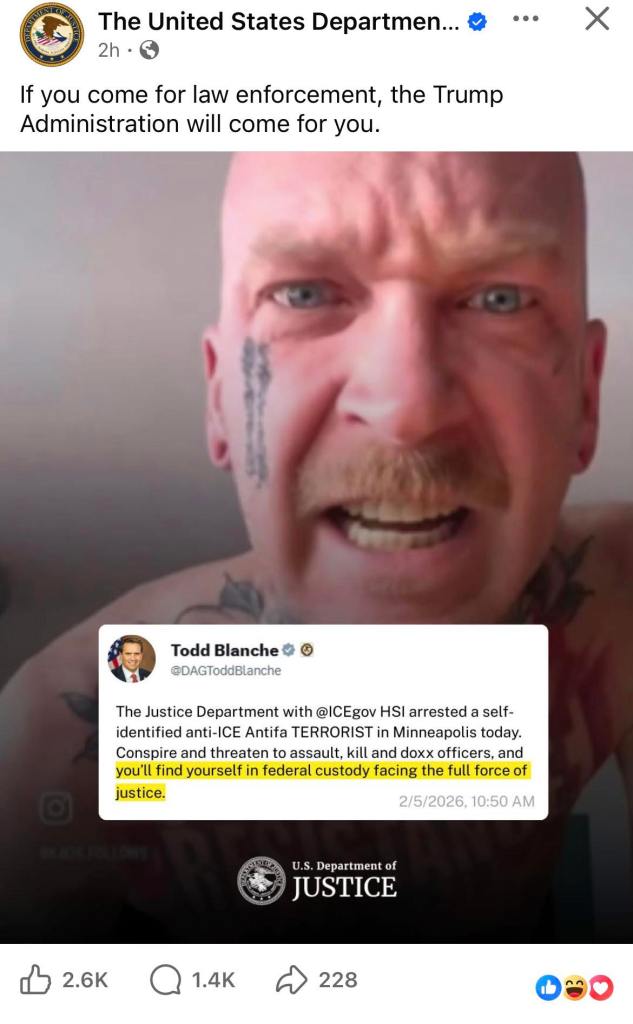
Nominating this man is malpractice. Some folks are not Congressional material, and God knows that applies here. I get it, a lot of people are so partisan at this point that they’ll vote for Ted Cruz or a guy with a Nazi tattoo to vote against the other side. I guarantee you that’s not every last voter. And it won’t take much. Even in the best election imaginable, no candidate is winning by 10%. I guarantee you that 1 in 20 voters will see this stuff and want to puke before they’d consider voting for this guy. I might even know a few.
Petitions to be placed on the ballot for the May Primary are all done, so in theory we know who will be on the ballot now. Of course, members of your own party can challenge your petitions, either by stating they have a fatal defect, that you don’t have enough valid signatures, or that you are not actually eligible. There’s a lot more legalese than that, but none of you are here to read that. You want to know who is getting challenged. So I’ll tell you about what I know.
Taiba Sultana’s petitions to challenge State Senator Lisa Boscola in Senate District 18’s Democratic Primary are being challenged. Sultana has a rough history with petitions. Two years ago her petitions to challenge State Rep. Bob Freeman made waves when Boscola’s name was actually on her petition as a signer, but at an address that doesn’t exist and in a town which Senator Boscola doesn’t live in. Senator Boscola accused her of forging the signature, which was on a petition circulated by now-County Councilman Nadeem Qayyum, Sultana’s husband. Freeman decided not to challenge her petition, and he ended up beating her by over 50% of the vote, winning every municipality in the district. Supporters of Senator Boscola are apparently not giving Sultana the opportunity to get crushed this time, and they are challenging her petitions. I’m not sure what the challenge is this time, but we’ll hear soon.
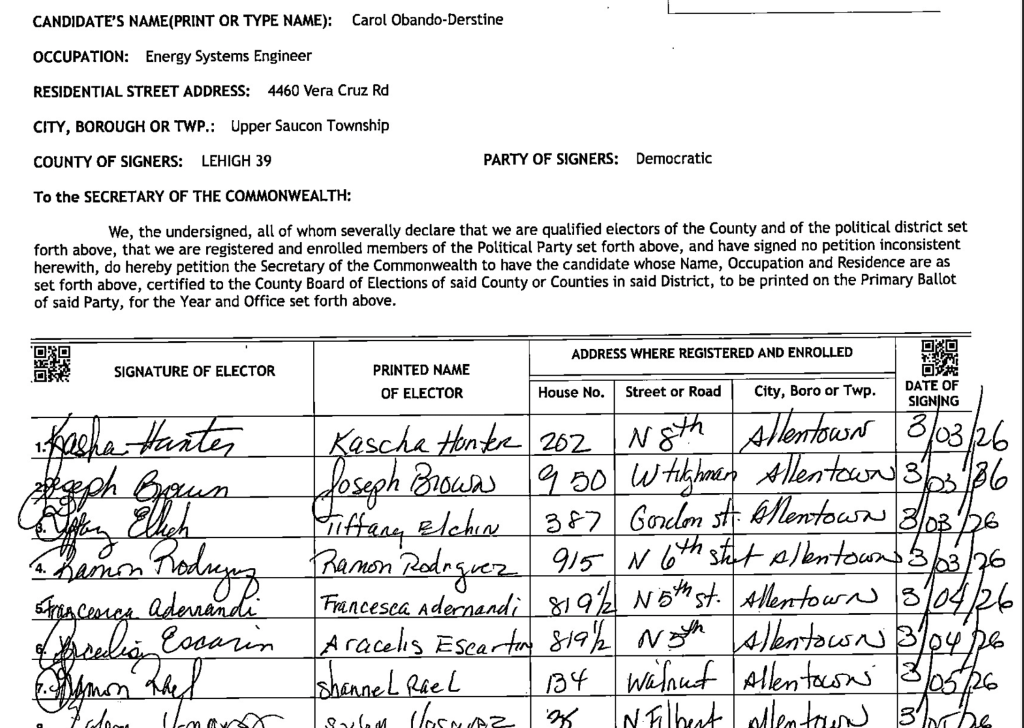
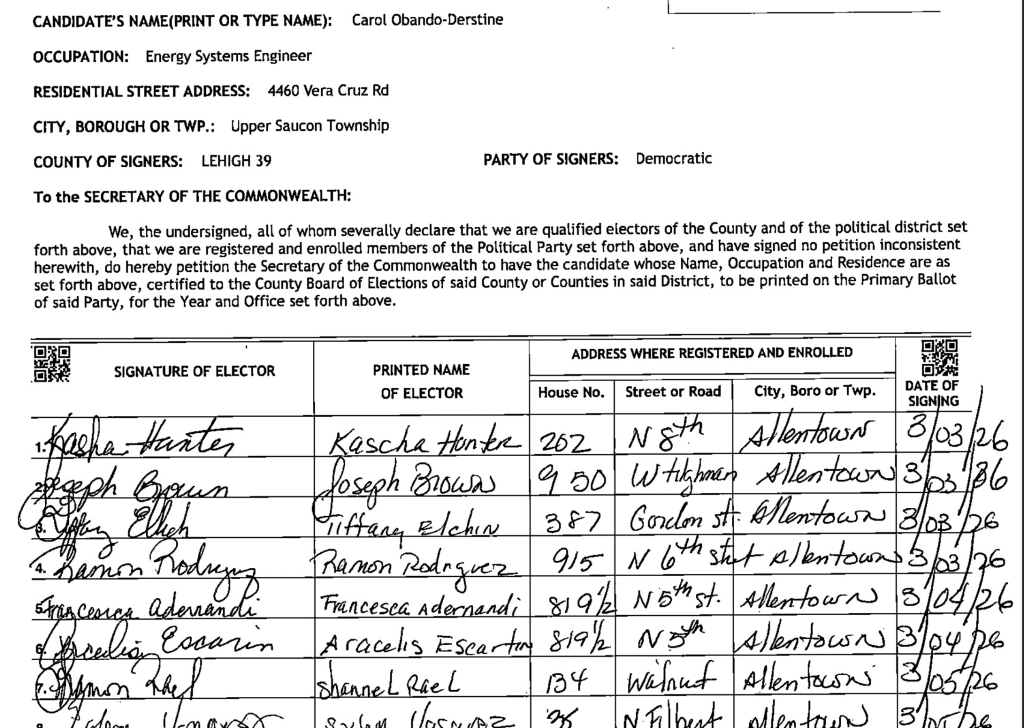
The other challenge I heard about was quite interesting. Someone is apparently considering a challenge to Carol Obando-Derstine’s nominating petitions for the 7th Congressional District. I was sent the petition above (I screen shotted part of it) as an example of allegedly forged signatures in her filing. The person sending it also says there are other issues, and someone thinks they can drive her under 1,000 valid signatures with their collective challenges. I was told by a source closer to Carol that she filed over 1,800 signatures and they would be shocked if it’s an issue. I won’t post who circulated this petition, but they do work in government. If I didn’t know better, I’d think some of the Harrisburg boys who are pushing Crooksy want to send this woman a message about who she supports. Then again, Crosswell would also benefit from being the only Lehigh County candidate in the race. Hell, if we’re honest, all three guys would benefit at least a little if she was driven off the ballot. They better really have the goods though, challenging and failing would look bad to insiders (like that matters to any normal people though). You can be the judge of at least the sheet above, but it definitely looks like the same handwriting to me. One sheet wouldn’t be enough to win the challenge though.
We’ll know by 5pm tonight. I’m sure there’ll be more.
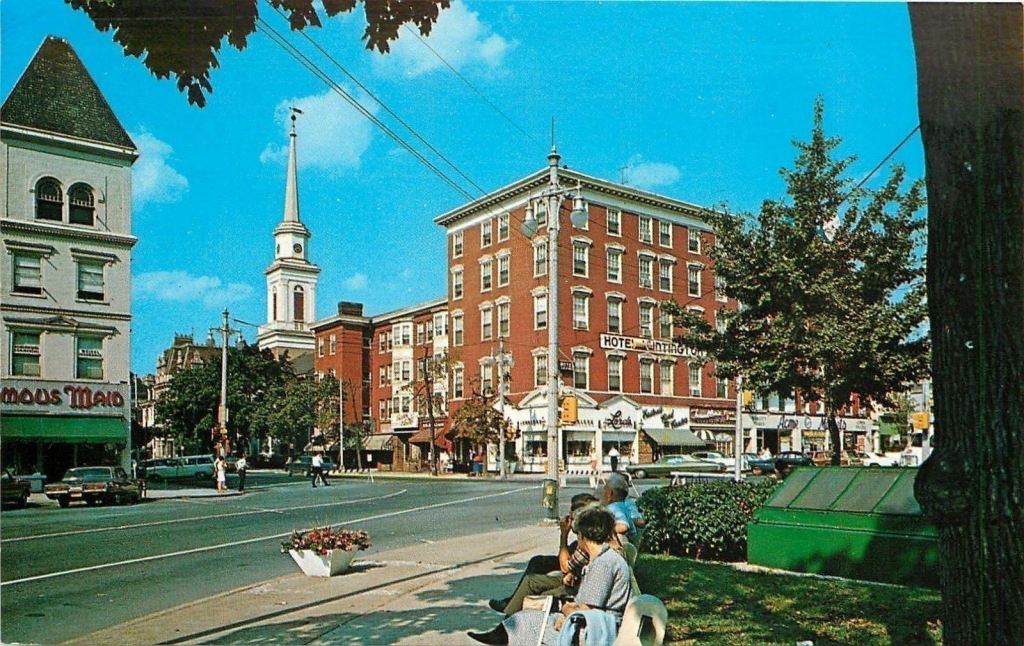
 Apocalypse Vibes